It’s easy to assume that all roof underlays are alike—but that’s far from true. I once
saw a roof patched with six different membrane types. That’s extreme, but it highlights a critical issue: inconsistency undermines performance.
by Pamela Howat, Senior Technical Advisor, PROCTOR GROUP
The worst performing membrane on a roof sets the standard for the whole system. If a membrane isn’t certified for a particular use— such as with traditional Scottish sarking—it can lead to serious problems. Yet these situations often slip through during installation, even if no one would ever specify such a combination.
The make-up of a membrane directly influences its performance. Materials, additives, and manufacturing methods all play a role. For example, membranes can be made using spunbond, meltblown, or films—each offering different strengths and weaknesses.
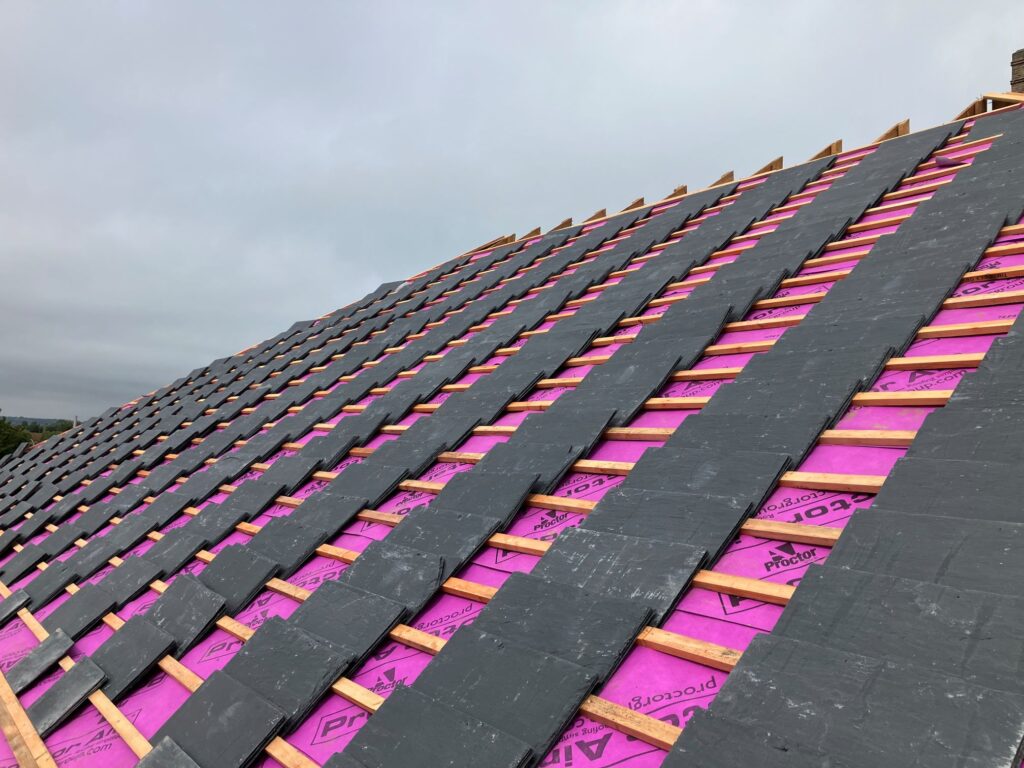
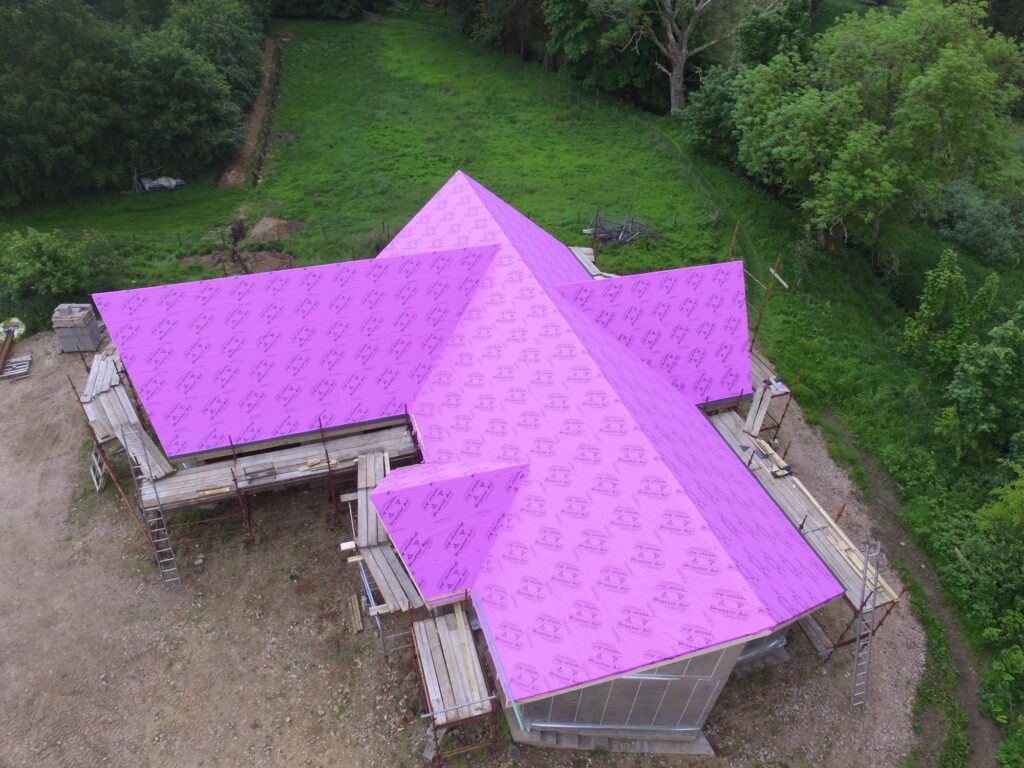
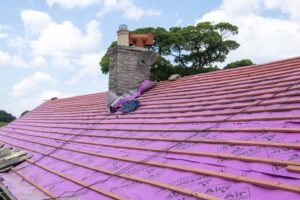
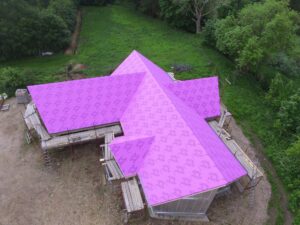
At the PROCTOR GROUP, our Proctor Air® underlay combines spunbond layers with a meltblown core, creating a vapour- and air-permeable product that reduces condensation and supports consistent ventilation across the whole roof area. Beyond composition, weather exposure is another critical factor. Membranes are not waterproof and should be temporarily protected if left exposed—especially during re-roofing projects. Industry guidance agrees: limit exposure time as much as possible. Roof underlays are just one component in a complex roof system—but a crucial one. Mixing diĪerent products compromises the integrity of the entire roof.